15. Underground (n):
/ˈʌndərˌgraʊnd/
Subterráneo
The subway.
Example: William hopes to see stores in the underground, so he could visit with his peers.
16. Warning (n):
/ˈwɔrnɪŋ/
Advertencia
An action or statement telling someone of a possible problem or danger.
Example: The law insists that cigarette packets carry a health warning.
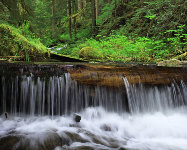
17. Waterfalls (n):
/ˈwɔtərˌfɔlz/
Cataratas
A place where water flows over the edge of a cliff, rock, or other steep place onto another level below.
Example: The tallest waterfall in the world is in Venezuela.
18. Wellness (n):
/ˈwɛlnəs/
Bienestar
Physical, mental, and emotional health, usually including a healthy way of living.
Example: The wellness for older women in Japan is amazing because they live longer.
a. Practice:
Choose one word from the list above and fill in
the blanks.
1. Each gram of protein, , or fat gives you a caloric load.
2. We have discount on makeup, hair, skin care, products in our shop.
3. You can hear a in
the distance over the mountains.
 Audio 80 |
GRAMMAR 1 |
Use of Get
When we use “get” with and adjective or past participle, it has the same meaning as “become” or “grow”.
Some examples:
a. When I visit many places in one day, I get tired. (In other words, “I become tired”, or
“I grow tired”).
b. When I go to museums and art galleries, I get bored. (In other words, “I become
bored”, or “I grow bored”.)
c. When I ride a rollercoaster, I get nervous. (In other words, “I become nervous”, or
“I grow nervous”).
Note: The following expressions are very common and
useful. Practice them very often and you will become
more skilled in the English language.
| Ver Respuestas | Limpiar Campos |