GRAMMAR
(grámar)
Modal auxiliaries and the verb to be
There are three modal auxiliaries that are used for present or future possibility. They are: may, might and could.
The auxiliary “may” is not as common as “might”.
When talking about possibilities, it is more common to use “could” in the affirmative form, not in negative.
Structure
Subject
Auxiliary verbs
Verb “to be”
Complement
Examples:
a. He may be in the kitchen because he isn’t here.
b. They might be in the concert. They bought the tickets last week.
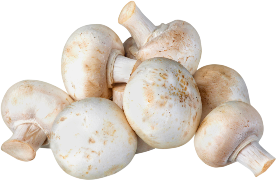
c. Mushrooms could be poisonous, that’s what my mother says.
d. According to the forecaster, it may be sunny tomorrow.
e. They might be on vacation next week.
f. Soda could be harmful for
your
health.
Note: You also have “maybe” and
“perhaps” to express possibility, and you use them at the
beginning of a sentence.
Examples:
a. Maybe soda is harmful for your health.
b.
Perhaps fast
food is bad for your heart.
Exercise 1
(éksersais
uán)
Correct these sentences. (corrét diis séntenses.)
a. Broasted chicken may being dangerous for your health.
Broasted chicken may be dangerous for your health.
b. Sweet foods might are allergic for infants.
c. Peanut butter could is avoided in diets.
d. Tuna or salmon may been kept away from babies.
e. Fried pork may is non- beneficial for your diet.
f. Nuts might doing hazardous for your face.